
A cybersecurity customer signs a two-year contract. The product works. No breach, no incident, no complaint. Then at renewal the buyer asks what they actually got for the spend, and nobody on your side has a clear answer. The account leaves for a cheaper competitor, or folds your capability into a platform they already own. You lose a high-value account you never saw slipping.
This is the expensive pattern in cybersecurity retention. The sales cycle was long and costly, the contract value is high, and a lost account often means a rival consolidating your function into their stack. Worse, the loss is quiet. Security that works produces no drama, so an account can go months with no visible value, no executive contact, and no proof of risk reduced, then decide against you at renewal. The decision was made long before the date on the contract.
Cybersecurity churn is a proof problem
In most B2B, the renewal turns on whether the customer reached the outcome they bought. In cybersecurity, the outcome is an absence: attacks that did not land, data that was not lost, an audit that passed. Absence is hard to feel. When a buyer cannot see the risk you reduced, they price your renewal against the incidents they did not have, which feels like zero. That is why strong products lose renewals to weaker, cheaper ones. The winner is not the best tool. It is the vendor who made the value visible.
So retention in cybersecurity starts with one job: turn silent protection into a number the buyer sees every quarter, not a claim you make in the renewal meeting.
Prove threats blocked, every quarter
Do not wait for the renewal to make your case. Build a standing record of what the customer got: threats detected and neutralised, data protected, policy checks run, incidents contained, time saved by your team versus their handling it alone. Put it in the quarterly review and the renewal brief, tied to what a breach in their sector would have cost.
The point is continuity. A value story that appears once, sixty days before renewal, reads as a sales tactic. The same story delivered every quarter reads as fact, because the buyer watched it accumulate. Retention improves when the customer can tie spend to risk reduced, in their own numbers, all year.
Cut the deployment friction that kills adoption
Complex setup and slow deployment are among the top reasons security tools get abandoned. Every week between the signed contract and the first protected outcome is a week the account can stall, and an account that never fully deploys never reaches the value that justifies renewal. It sits half-configured, produces little, and quietly becomes a cancellation.
Define the first real protected outcome for each customer, the deployment milestone that proves the tool is doing its job, and drive the onboarding straight at it. Assign an owner to every new account for the first ninety days. Prune the setup steps that do not lead to that first outcome. Time to first protected outcome predicts renewal earlier and more reliably than any satisfaction score.
Help them consolidate, or be the tool that gets cut
Security leaders carry too many tools. After every incident the reflex is to buy another point product, and the result is sprawl the CISO is under pressure to cut. At renewal, your account is a candidate for removal unless you are clearly load-bearing.
Two moves protect you. First, integrate with the platforms they already run, so removing you breaks something they rely on. Second, help them retire overlapping tools by covering the capability yourself and preserving the evidence, finding history, and configurations before the old tool is switched off. A vendor that reduces the customer's tool count and operational load is a keep. A vendor that adds to the sprawl is a cut.
Make compliance your renewal anchor
Compliance cycles create predictable renewal checkpoints, and they are the strongest retention lever you have. A SOC 2 Type II report typically covers a twelve-month period and gets refreshed on an annual cadence. ISO 27001 runs on a three-year certification cycle with annual surveillance audits. Your customers live by those dates.
Make your product the reason their audit is easier. Provide continuous, exportable evidence: control activity, logs, and reports the customer can hand their auditor without chasing you. Enterprise buyers often mandate current SOC 2 or ISO evidence from their vendors, and weak or missing evidence can trigger a replacement at renewal. A vendor whose evidence removes work from the audit becomes painful to swap out. That is retention built into the calendar.
Earn the trust that CISOs renew on
Security buyers renew on evidence and peer proof, not on marketing claims. A CISO who does not fully trust a vendor carries that doubt into every renewal, and doubt costs you accounts. Trust here is concrete: state your capabilities and your limits plainly, hold regular business reviews, plan jointly, and communicate consistently between incidents rather than only when something breaks. Back your value claims with real deployment outcomes the buyer can verify, not vendor-only statistics. The vendors that keep cybersecurity accounts behave like a fixture in the customer's operation, not a supplier waiting for the next renewal.
What to do next
Take your last ten cybersecurity renewals, won and lost. For each, ask one question: could the customer see, in their own numbers, the risk you reduced across the contract. Where the answer is no, that is the account you are one budget review away from losing, whatever the product did.
Making that value visible, cutting the deployment friction, and building the compliance evidence into the account is the work we do at ExperienSync. We find where the post-sale experience loses money, build the fix, and prove the financial result. See what we solve and how we work, or book a call. To catch accounts before they go quiet, see how to spot a churning customer before they cancel.
Frequently asked questions
How do cybersecurity vendors reduce customer churn?
Why do cybersecurity customers churn even when the product works?
What are the biggest retention drivers specific to cybersecurity?
How does compliance affect cybersecurity renewals?
When is a cybersecurity account most at risk of leaving?
More on Retention
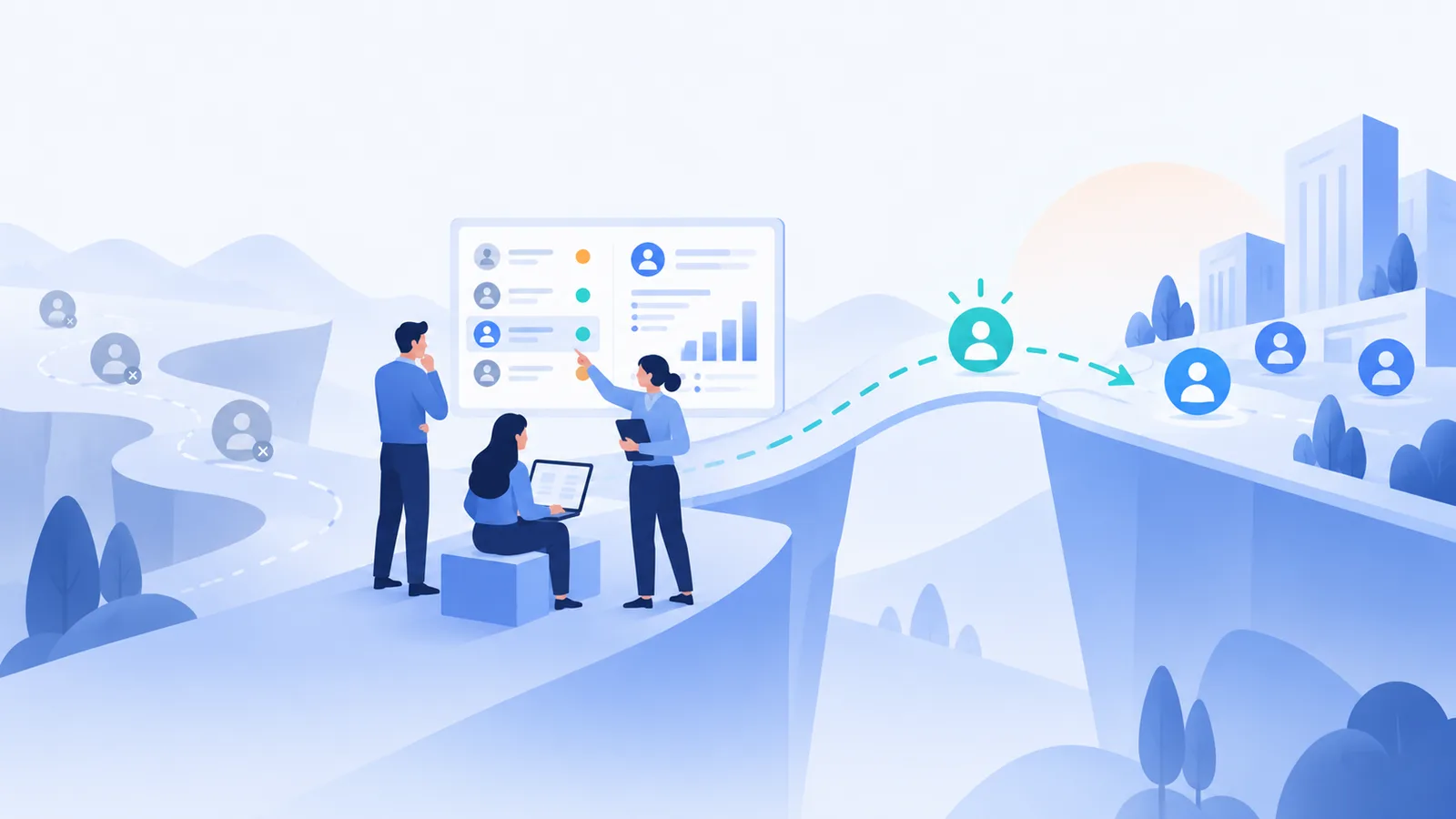
How to Win Back Lost B2B Customers
Winning back lost B2B customers is account recovery, not a discount email. How to choose which to pursue, find why they left, and win them back.

Customer Churn Prevention: How to Stop Churn Before Renewal
Churn prevention is not a save-desk at renewal. It is upstream work: get accounts to value fast, watch the signals, and fix the cause. Here is how, for B2B.
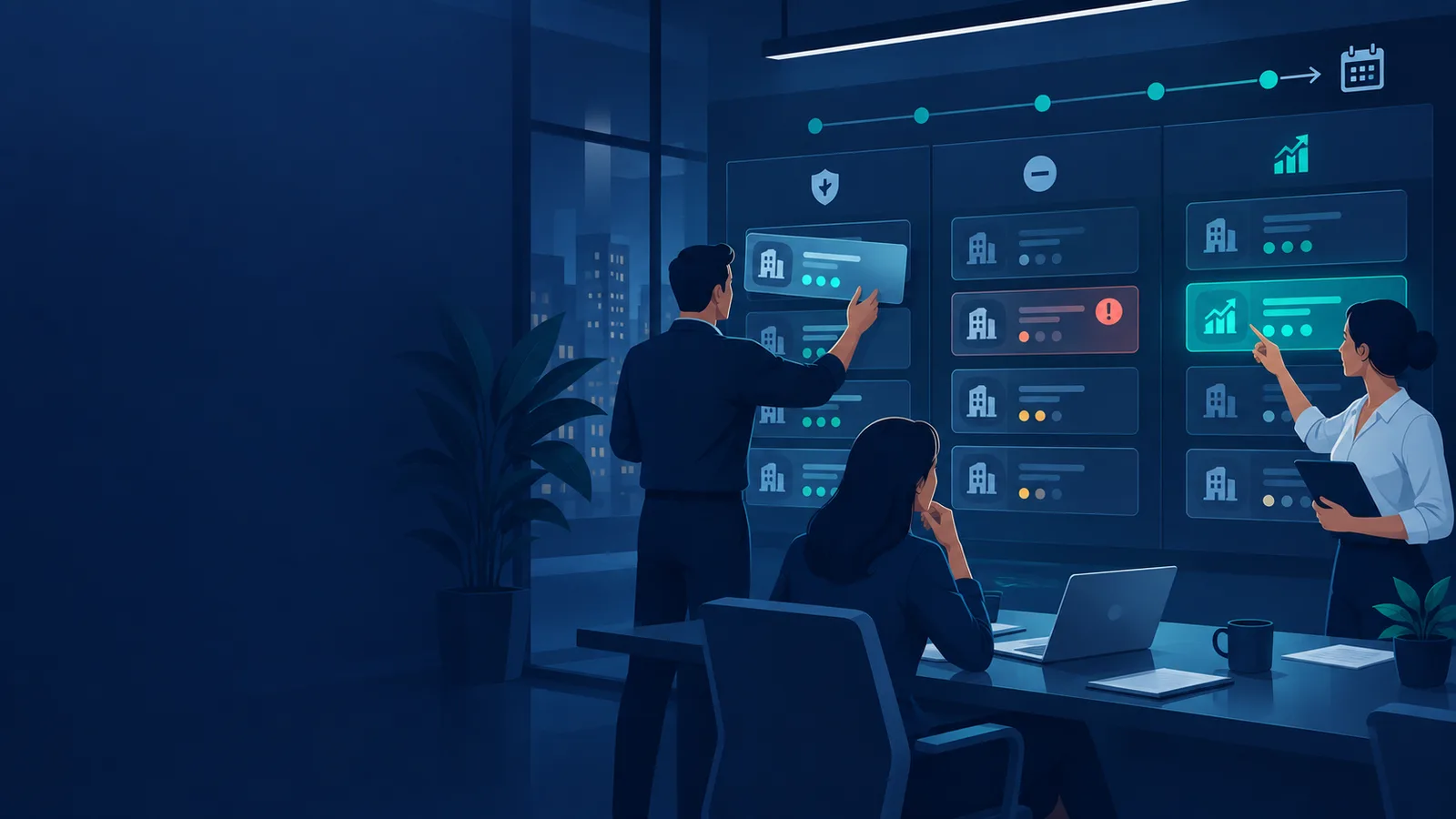
Customer Retention Strategy: How to Build One for B2B
Most B2B companies have retention tactics, not a strategy. Here is how to build a customer retention strategy that runs as one system and protects revenue.