
Most companies try to prevent churn at the renewal. A save-desk steps in when an account gives notice, a discount goes on the table, and someone scrambles to keep the logo. It is the most expensive place to fight churn and the least effective, because by the time an account is negotiating its exit, the decision was mostly made months ago. Real churn prevention happens upstream, long before the renewal date.
The cost of getting this wrong is the renewal you lose that months of earlier work would have saved, plus the discount you give away on the ones you do keep. Churn prevention done properly is cheaper and it works: get the account to value fast, watch the signals that predict a problem, and fix the cause before it reaches the renewal. Here is how to build that, for a B2B account base.
The save-desk is the wrong place to prevent churn
A renewal save-desk wins the easy renewals and loses the ones that actually needed help. It catches the account 30 days out, when usage has already collapsed, the champion has already gone quiet, and the value was never proven. At that point you are not preventing churn, you are bidding for it with a discount. Prevention means moving your effort to where the outcome is still open: the first 90 days, the quiet months in the middle, and the early signals, not the renewal quarter.
Prevent churn in three layers
Think of prevention as three layers, from most to least churn stopped.
- Foundation: get the account to value fast, with the right fit and a clean onboarding. This is where the largest share of churn is prevented, because early value is the strongest reason to stay.
- Engagement: watch account health and prove value continuously through the middle of the contract, so drift is caught while it is small.
- Intervention: act early and specifically on the accounts that slip, so a warning becomes a recovery instead of a loss.
Most companies invest almost everything in the third layer and wonder why churn stays high. The biggest gains sit in the first.
Layer one: get the account to value fast
The single most effective churn-prevention move is fast time to value. Define the first real outcome the customer bought, the moment the tool or service does the job they signed up for, and drive onboarding straight at it with a 30, 60, 90-day plan agreed on day one. Check in at set points, catch friction while it is small, and get usage spread across a team rather than trapped with one person. An account that reaches value early has a reason to renew. One still stuck in setup months later has a reason to leave, whatever you do at the renewal. For the detail, see B2B customer onboarding best practices.
Layer two: watch health and prove value
Through the middle of the contract, prevention is continuous monitoring plus proof. Build a simple account-health read from data you already hold, usage, engagement, support load, stakeholder coverage, and commercial status, and watch it weekly so drift shows up early. Then run value reviews that show outcomes, not activity: the result the account got, in their own numbers, tied to why they bought. An account that can point to a specific outcome renews; one that cannot is fragile no matter how friendly the relationship. For the scoring side, see how to build a customer health score.
Layer three: intervene early, not at renewal
When a signal dips, act on it while the account is still persuadable. Give every at-risk account one owner, one next action, and one deadline, and match the response to the risk: a small slip gets a diagnosis and a recovery date; several signals weakening at once gets a recovery plan with customer-facing milestones. The point is to intervene months before the renewal, not to launch a rescue in the final weeks. For the early signals to watch, see how to spot a churning customer before they cancel.
Fix the cause, not the symptom
A discount at renewal buys a year and hides the reason the account nearly left, so the same problem returns next time. Prevention means fixing the cause. Map your churn to its real drivers, onboarding that stalled, adoption that never spread, support that kept failing, a champion who left, a fit that was wrong from the start, and fix the two or three that cost the most. A save-desk treats the symptom. Fixing the driver is what actually lowers the churn rate. For the diagnosis, see how to analyze customer churn.
What to do next
Look at where your churn-prevention effort actually goes. If most of it is a save-desk at renewal and a discount budget, that is why churn feels like a fight you keep having. Move the effort upstream: name an owner per account, get new accounts to value faster, watch a weekly health signal, and fix the top two churn drivers. That is prevention, and it costs less than the renewals it saves.
Building that prevention into how your accounts are run, and proving it in the churn rate, is the work we do at ExperienSync. We find where the post-sale experience loses money, build the fix, and prove the financial result. See what we solve and how we work, or book a call. If you have already decided to hire, here is how to choose a customer experience consultant.
Frequently asked questions
How do you prevent customer churn in B2B?
What is the difference between churn prevention and a renewal save-desk?
When does churn prevention start?
What are the main causes of B2B customer churn?
Can you prevent churn without more headcount or software?
More on Retention
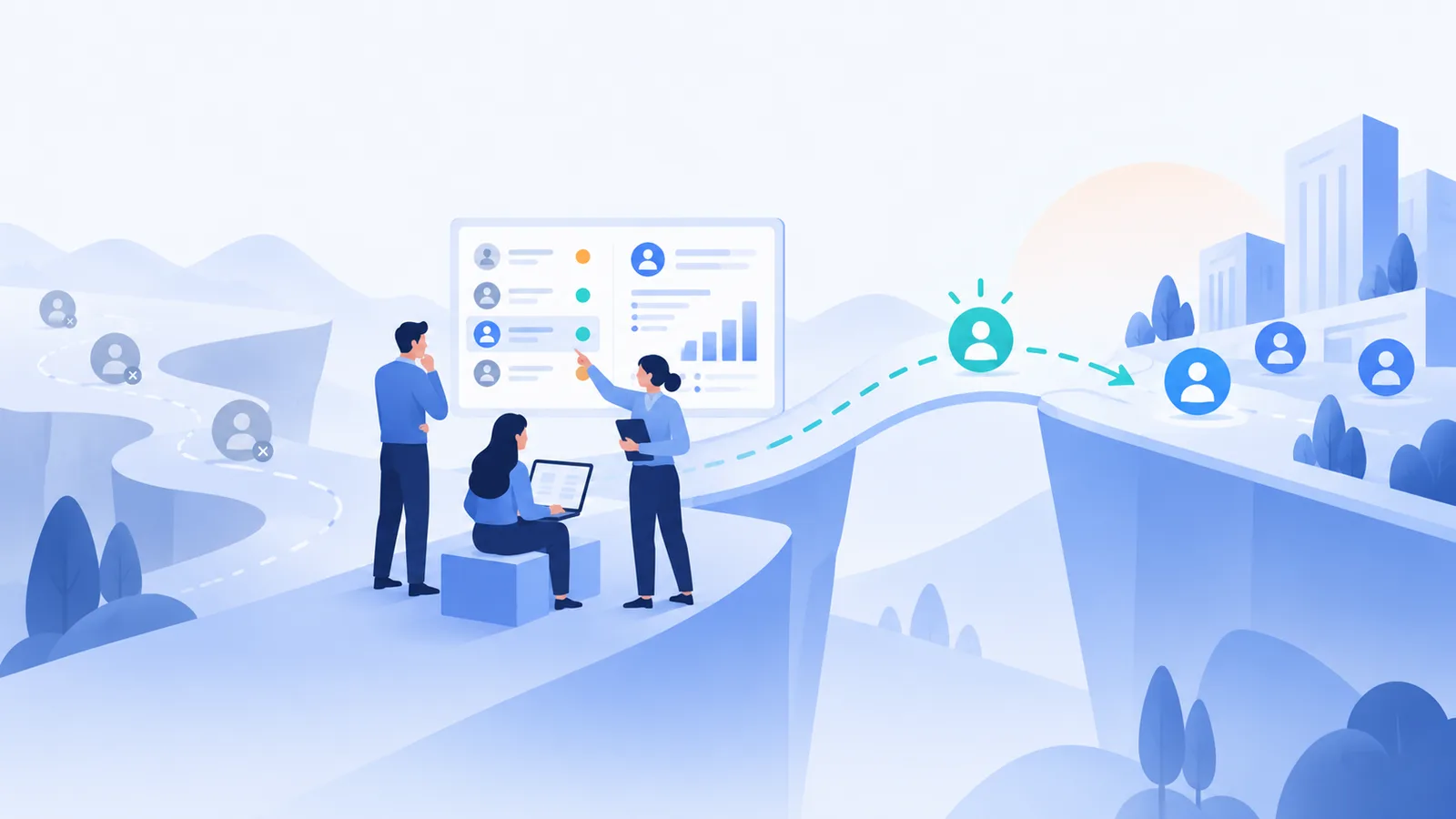
How to Win Back Lost B2B Customers
Winning back lost B2B customers is account recovery, not a discount email. How to choose which to pursue, find why they left, and win them back.

Customer Retention Strategy: How to Build One for B2B
Most B2B companies have retention tactics, not a strategy. Here is how to build a customer retention strategy that runs as one system and protects revenue.
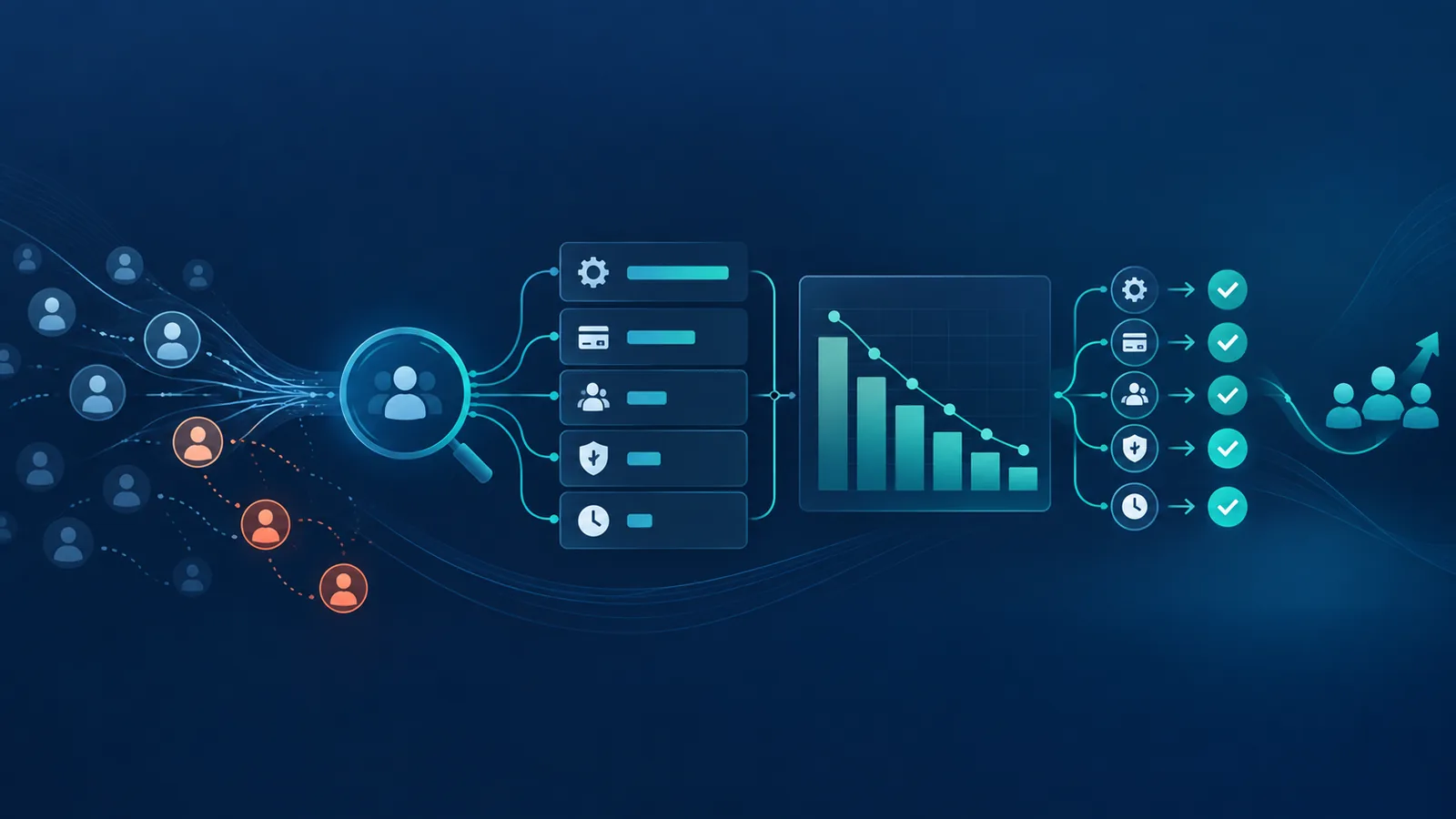
Customer Churn Analysis: How to Find Why Accounts Leave
You know your churn rate. You do not know the cause, or which one costs the most. Here is how to analyze churn and find the real reason, without a data team.