
Yes, AI can improve customer experience in B2B, but only where the experience already works. On a broken post-sale experience, AI does not fix anything. It makes the bad service faster and delivers it at scale.
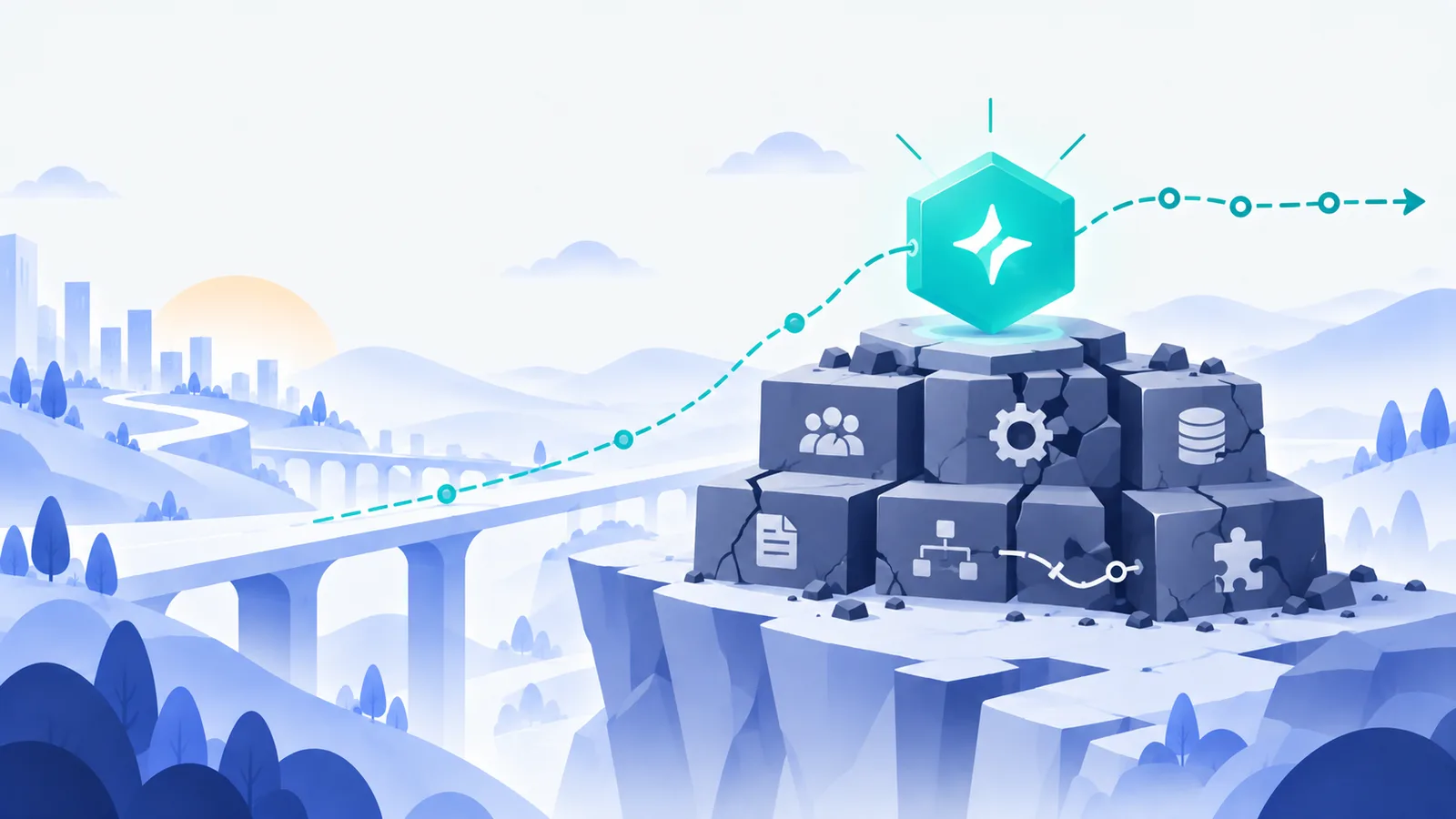
The reason is simple: AI amplifies whatever process it sits on. Point it at a good experience and it multiplies the good. Point it at a broken handoff, an unclear escalation, or messy customer data, and it multiplies the failure. So the real question is not whether to use AI. It is what you automate, in what order, and what you fix first.
What AI is good at in customer experience
Used on top of an experience that is already designed, AI is genuinely powerful. It classifies and routes queries to the right owner with context attached. It resolves repeatable tier-one questions, order status, policy, known fixes, instantly from a good knowledge base.
It drafts replies and summarises accounts so human agents move faster and stay consistent. And it reads usage and support data to flag adoption risk, renewal windows, and expansion signals early, turning post-sale care from episodic into continuous. These are real gains, and they compound when the underlying journey is sound.
Where AI fails, and why it feels like faster bad service
AI in customer experience fails in structural ways, not simply because a model is imperfect:
- Context collapse. The bot loses the conversation across channels or sessions, so the customer repeats themselves, the exact thing that makes support feel broken.
- Escalation blindness. The system does not recognise when a human is needed and traps the customer in a loop.
- Data and policy gaps. Without real-time access to billing, order, or account data, AI gives confident, wrong answers.
- Complex and emotional cases. Multi-step or high-stakes issues exceed what automation handles well, and a wrong answer here costs trust.
- The wrong target. Optimise AI for deflection instead of resolution, and you get fast rejections that erode the relationship.
Every one of these is a design problem, not a model problem. The AI did not break the experience; it exposed and accelerated a gap that was already there.
Fix the experience first, then automate
Because AI scales whatever you give it, the order of operations matters more than the tooling:
- Map the post-sale journey and its decision points: onboarding, adoption, renewals, expansions, escalations.
- Fix the basics: one view of the customer across CRM, support, usage, and billing; clear ownership; explicit escalation paths that carry context.
- Measure outcomes, not speed: resolution quality, repeat contacts, time to value, renewal risk, and where customers get stuck.
- Then layer AI where the inputs are clean and the goal is clear: tier-one deflection from a curated knowledge base, triage and summaries for your team, health scoring and renewal triggers.
- Design the human fallback on purpose: one-click escalation with full context on complex or high-value accounts.
Do it in that order and AI multiplies a good experience. Skip to step four and you automate the mess.
The future-driven position
This is not an argument against AI in customer experience. AI will run more of the post-sale experience every year, and the companies that win will use it heavily. The point is that AI is a multiplier, not a fix. It rewards companies that designed the experience first, and punishes those that automate to avoid designing it. Future-ready customer experience is not more tooling. It is a designed experience that AI then makes faster, more consistent, and more proactive.
What to do next
Before you buy or expand an AI customer experience tool, ask one question: is the experience underneath it designed, or are we about to automate a broken one. If you are not sure, map the post-sale journey and find where it breaks first, then fix that before you automate it.
That design and build is the work we do at ExperienSync. We find where the post-sale experience is losing customers, fix and build it, and prove the result, so that when you add AI, it multiplies something that works. See what we solve and how we work, or book a call.
Frequently asked questions
Does AI improve customer experience?
What does AI do well in B2B customer experience?
Where does AI fail in customer experience?
Should you fix your customer experience before using AI?
More on Strategy
Why AI Customer Experience Projects Fail, and How to Fix It
Most AI customer service and experience projects stall before they return anything. Here is why B2B AI pilots fail, and what separates the ones that actually work.

Key Account Management Is a Post-Sale Job, Not a Sales One
Most companies run key account management as a sales discipline and still lose their biggest accounts. Here is why, and what actually keeps and grows them.

Customer Experience Transformation: Why It Stalls, What Works
Most customer experience transformation programmes stall after launch, not before. Here is why the big-programme approach fails, and the build-and-prove path that sticks.